

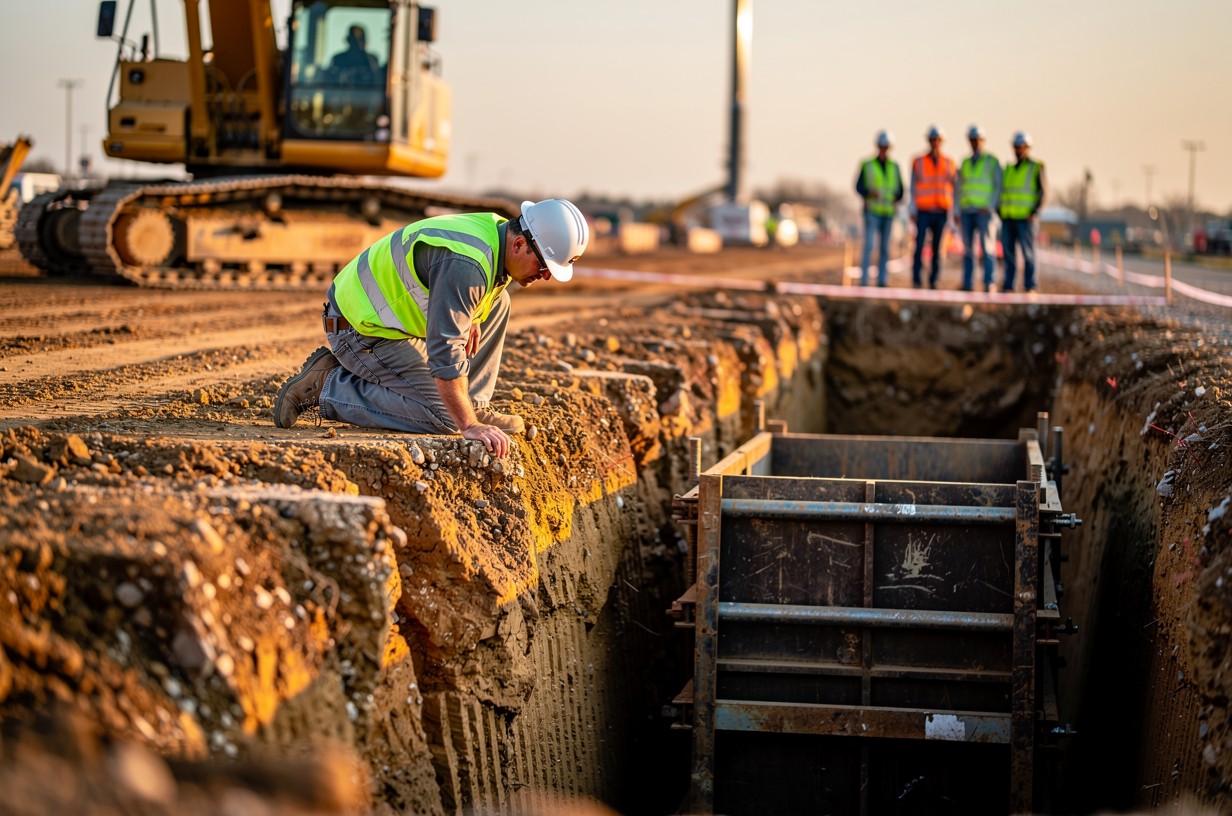
A name on a safety plan does not satisfy OSHA. The excavation standard expects a person on site who inspects the work every day, recognizes hazards as they develop, and has the authority to pull workers out. Public owners, developers and general contractors evaluating civil contractors should know where that line sits. It separates a compliant trench from a citation, and sometimes from a fatality.
The Core Requirement: Daily Inspection by Someone Who Can Act
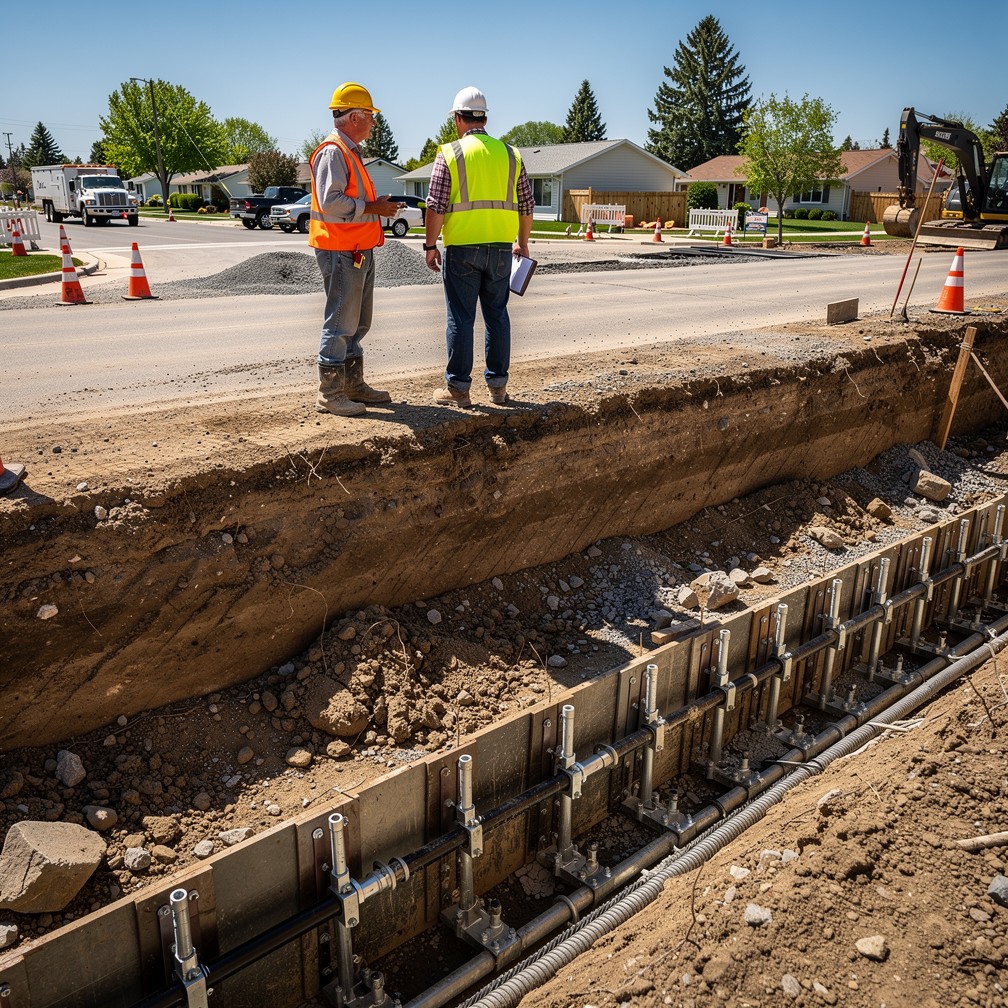
The obligation is specific. OSHA’s excavation rules sit in Subpart P of the construction standards, 29 CFR 1926.650 through 1926.652. Under 1926.651(k)(1), a competent person must inspect excavations, the areas around them, and protective systems every day. A protective system is the shoring, shielding (a trench box), sloping or benching that keeps soil from collapsing on workers. The inspector is looking for signs of a possible cave-in, a failing protective system, a hazardous atmosphere or other hazardous conditions. Inspections are also required after every rainstorm or other event that increases the hazard.
The rule has no depth threshold. The daily inspection requirement covers all excavations, not only trenches, and sets no minimum depth. A shallow utility pit is covered just as a deep sanitary sewer trench is.
The inspection also carries a consequence. If the competent person finds evidence of a hazard, exposed employees must be removed from the hazardous area until precautions are in place. An inspection that finds a problem and leaves the crew in the hole does not comply with the standard.
A Certificate Is Not the Test
Training records help. They do not define the role. OSHA has stated that the excavation standard does not require any specific training for competent persons. It defines a competent person by what that person can do.
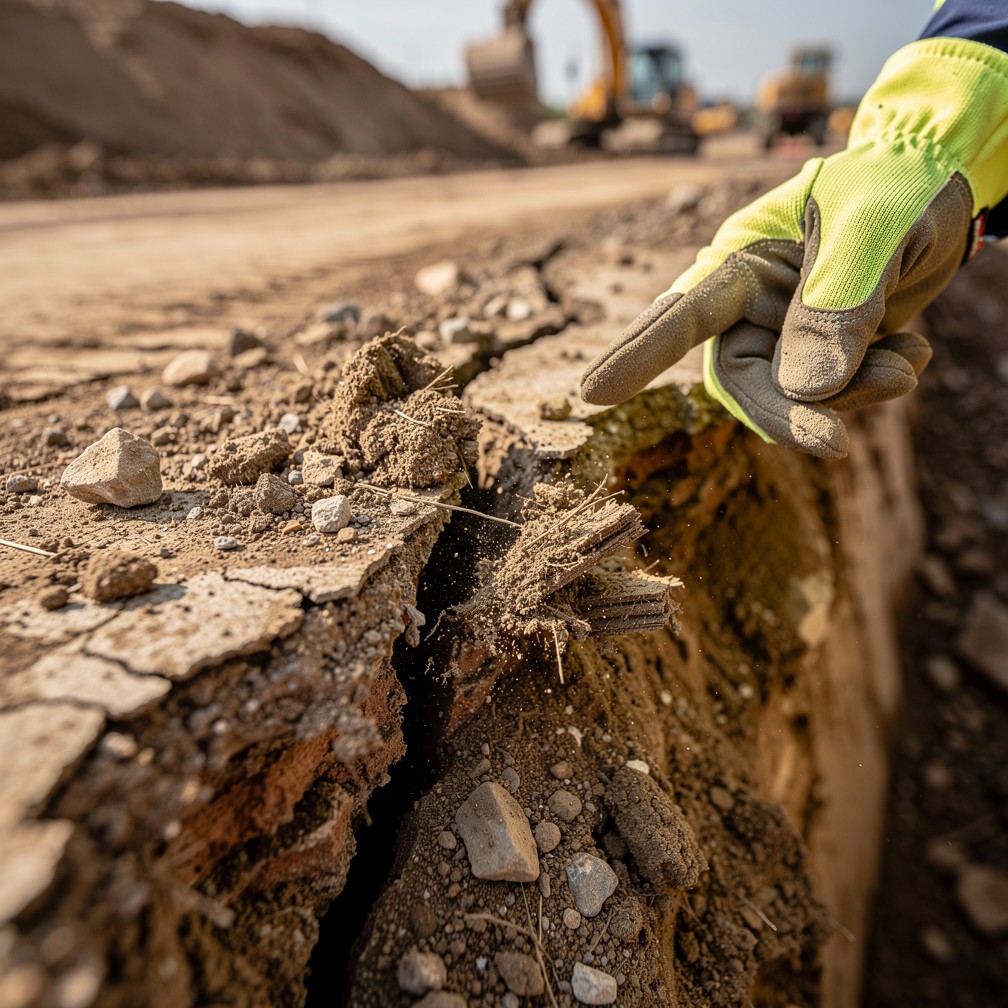
This cuts both ways. A contractor cannot prove compliance by producing a wallet card. A card from a one-day course does not make someone competent if that person cannot read soil conditions, judge a spoil pile’s distance from the edge, or recognize water seepage as a warning sign. The question OSHA asks is functional. Can this person identify the hazard in front of them?
Authority Is Half the Definition
Recognizing a hazard is not enough. In an interpretation letter on Subpart P, OSHA explained that a competent person must be able to identify existing and predictable hazards and must have the authority to take prompt measures to eliminate them. OSHA said this is why the inspection requirements in 1926.650 and 1926.651 call for a competent person.
Authority is where many paper programs fail. A laborer who spots a crack along the trench lip but cannot stop the excavator is not the competent person. Neither is a project manager listed on the safety plan who visits the site once a week. The role belongs to someone who is present, qualified by experience and judgment, and empowered to halt work without waiting for approval.
How OSHA Checks During an Inspection
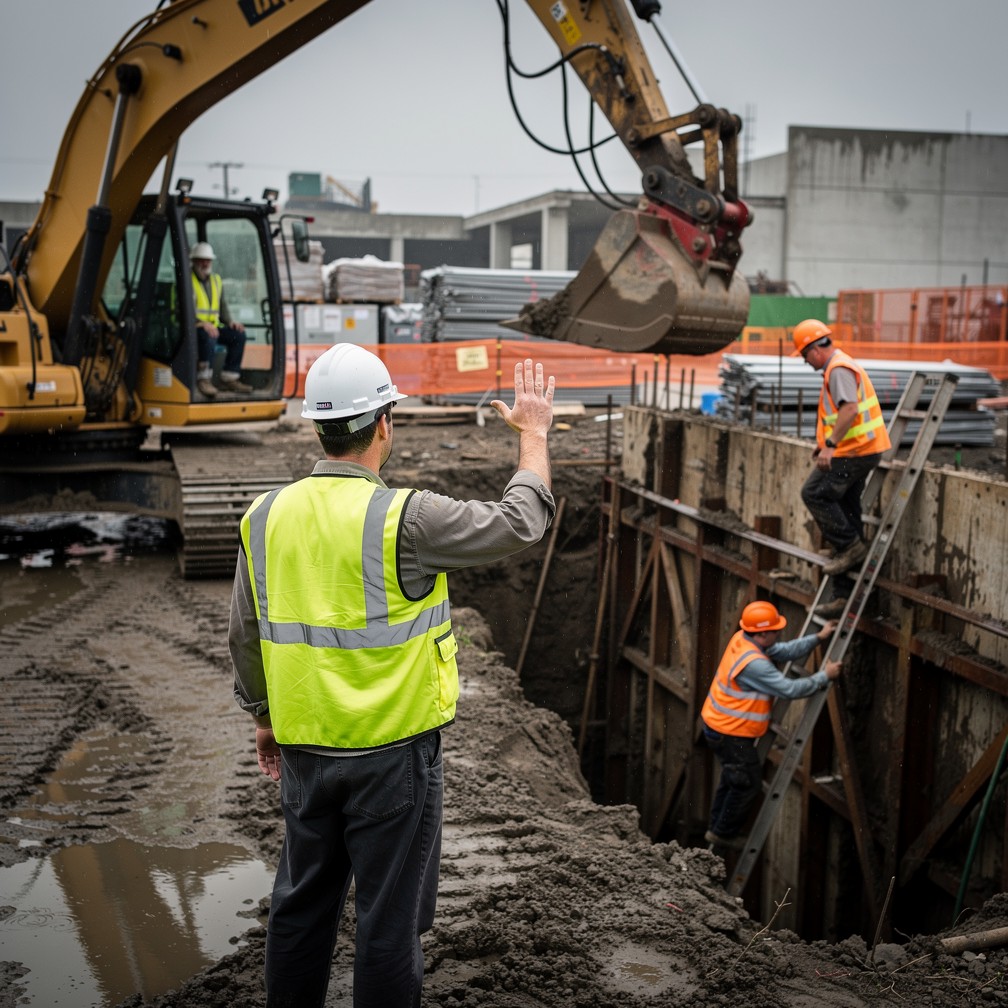
Compliance officers are directed to look for the person, not the paperwork. OSHA’s enforcement procedures for Subpart P tell inspectors to check whether excavations are being inspected periodically under 1926.651(k)(1). They must also identify everyone responsible for the excavation work, including the competent person and any registered professional engineer. A registered professional engineer is required to design certain protective systems, such as those for excavations deeper than 20 feet.
In practice, this means a compliance officer will ask who the competent person is. That person should be on site and able to explain the soil classification, the protective system in use, and what the day’s inspection found.
Two Colorado Cases Show the Cost of the Gap
Colorado has recent, documented examples. Both involved fatal collapses in 2021.
In Breckenridge, OSHA issued A4S LLC three willful citations after a fatal trench collapse. They were for failing to have the excavation inspected by a competent person, failing to train employees to recognize and avoid unsafe conditions, and having no trench protective system. OSHA also issued a serious citation because there was no safe way out within 25 lateral feet of the workers. The contractor later faced manslaughter charges. OSHA also found that other trenches on the same sewer project had caved in before, yet the employer still did not install protection.
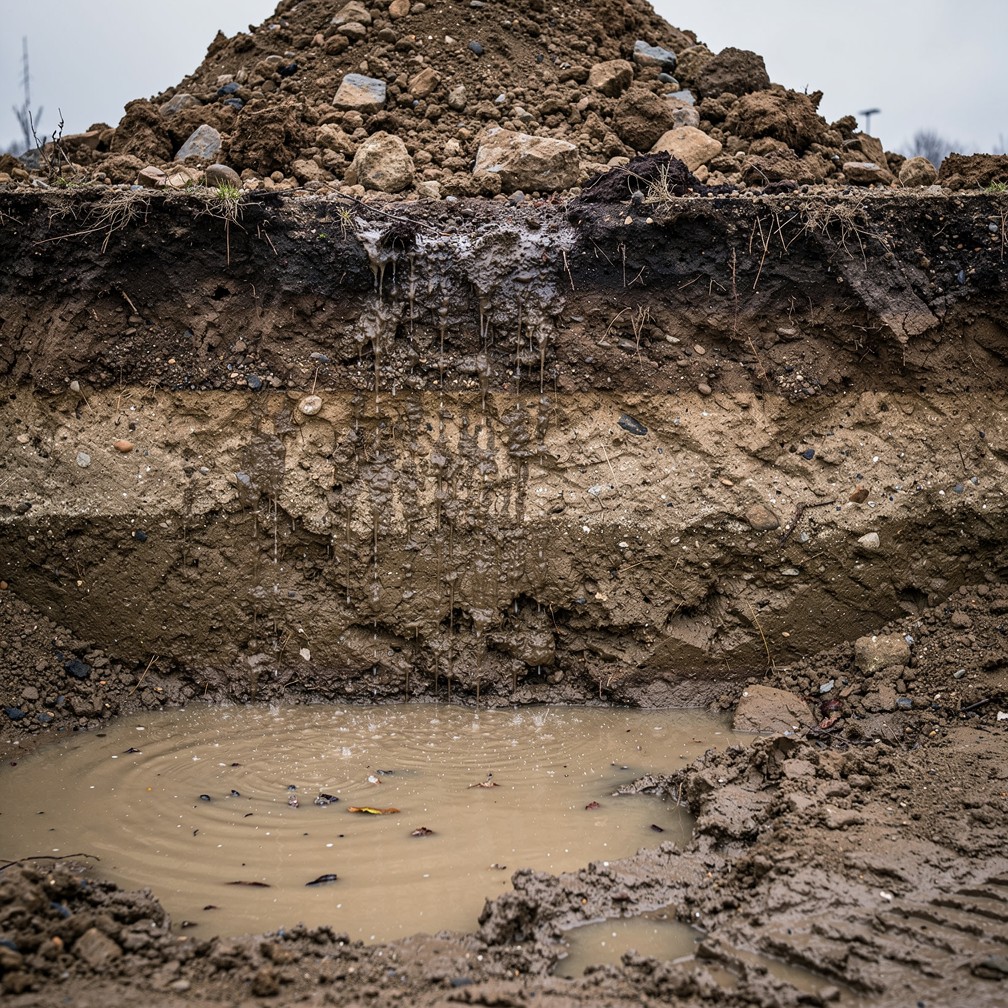
In Johnstown, OSHA found that Dunaway Excavating let employees work in a 16-foot-deep trench with water building up and no protective systems. OSHA cited two willful serious violations plus a violation for not providing a safe way to exit. It also placed the company in its Severe Violator Enforcement Program, which subjects employers to follow-up inspections and public listing.
Accumulating water and prior collapses on the same project are the kinds of conditions a functioning competent person is expected to catch. In both cases, the warning signs were present before entry.
The National Trend Is Improving. The Expectation Is Not Changing.
Fatalities are falling. Federal and state OSHA reporting shows trench collapse deaths fell from 39 in 2022 to 15 in 2023, and to 12 in 2024 as of OSHA’s November 2024 release. That is a drop of nearly 70 percent since 2022.
The decline reflects sustained enforcement attention on excavation work. It does not signal any relaxation of the competent person requirement. The Colorado cases show that OSHA treats a missing or ineffective competent person as a willful matter when the hazards are obvious.
What Owners and General Contractors Should Ask
Owners can test a contractor’s program before work begins. Useful questions include:
- Who is the designated competent person for each excavation, and will that person be on site whenever workers are in the trench?
- Does that person have clear authority to stop work and remove the crew without escalation?
- How are daily inspections and post-rain inspections documented?
- What protective system is planned, and who designed it if the depth or conditions require an engineer?
- Where are the access and egress points relative to the work?
The answers should name people and describe field practice, not just cite a manual.
Our Perspective
Solid Earth has built water, sanitary sewer and stormwater systems in Colorado since our first municipal water and sanitary contract in 2002. That work puts crews in excavations routinely. Our safety record has been recognized through Bechtel Excellence Awards for safety and quality as a Bechtel project partner. The standard is clear, and it is the same on every job. The competent person has to be on the trench line, not only on paper.
Have a project in mind? Start the conversation with Solid Earth.
Images are presented for illustration purposes only.We use real photographs when we need to show what was happening at a real event.
About the Author: Solid Earth

Related Posts


Recent Works