

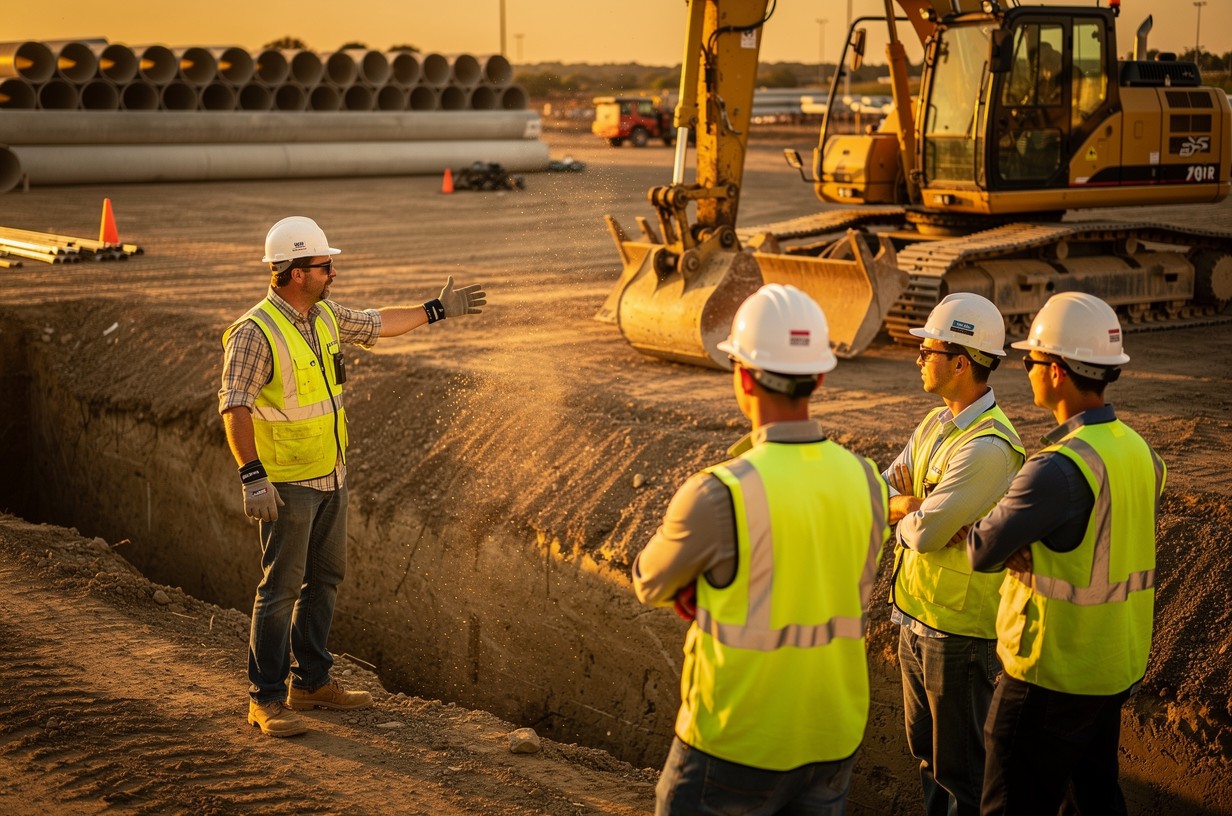
Think about the best crew leader you’ve ever worked with. Chances are they weren’t hired off a résumé as a ready-made boss. They probably started out running a machine or setting forms, and somewhere along the way people started looking to them for answers.
That shift from operator to leading hand doesn’t happen by accident. It grows out of a crew’s culture, and some cultures grow leaders a lot better than others.
Why growing your own matters more than ever
Finding experienced supervisors on the open market is tough right now. The Associated General Contractors of America surveyed its member firms in July and August 2025, in a study built to measure how severe workforce shortages are and how they affect firms and projects.
The picture wasn’t pretty. Shortages are delaying a significant number of construction projects, and the numbers barely budged from the year before. Contractors also said they still struggle to find qualified workers and that candidate quality remains poor.
So if you can’t count on hiring leaders, you’ve got to grow them. And that’s really a culture question more than a hiring one.
What a leading hand actually does
A leading hand sits in that middle spot between the crew and the superintendent. They’re still doing the work, but they’re also keeping the day organized, spotting problems early, and making sure the new person isn’t standing around wondering what to do.
In other words, it’s leadership with dirt on its boots. The best ones earn the role long before anyone gives them the title.
Make teaching part of everyone’s job
Here’s a simple test for any crew: when a newer worker asks a question, does the experienced operator explain it, or just take over? Crews that grow supervisors treat teaching as normal, not as a favor.
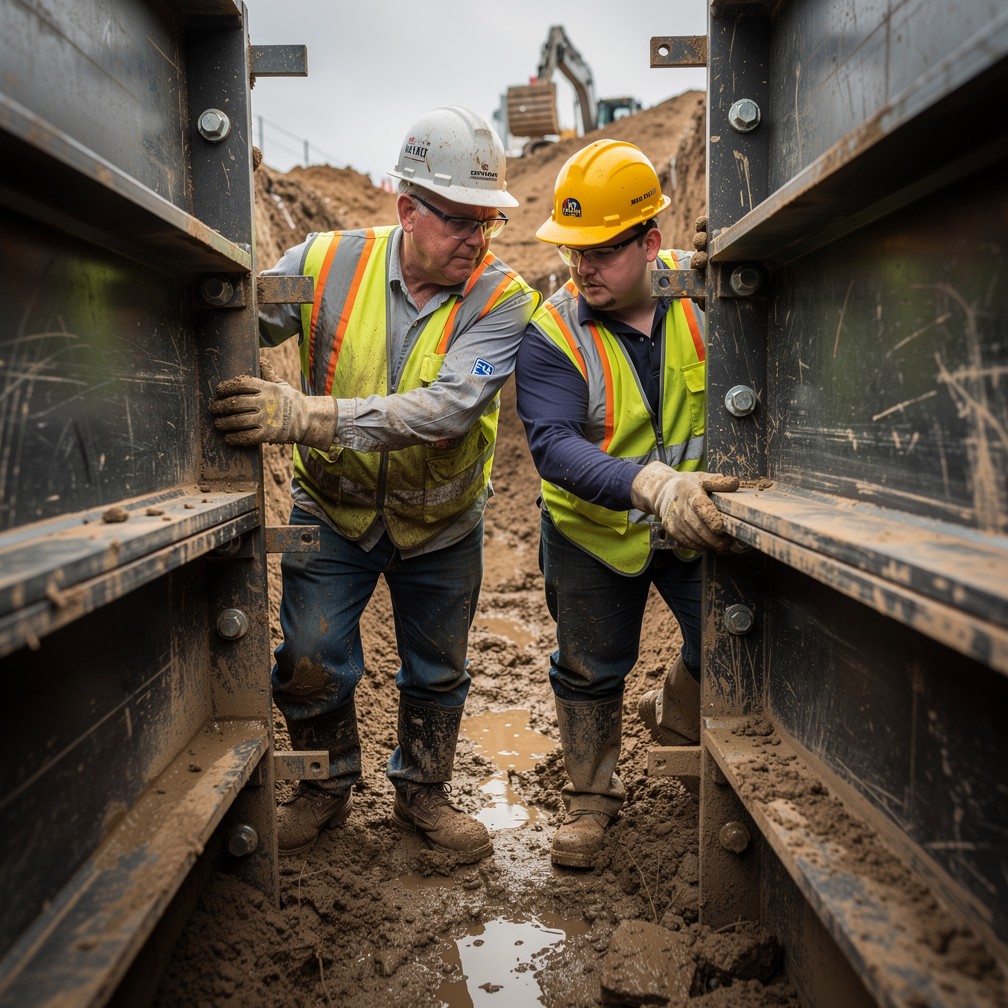
When a seasoned hand walks someone through why the trench box goes in a certain way, two people get better. The newer worker learns the task, and the veteran gets practice at the explaining, patience, and clear communication that supervisors need every day.
Cross-train so people see the whole job
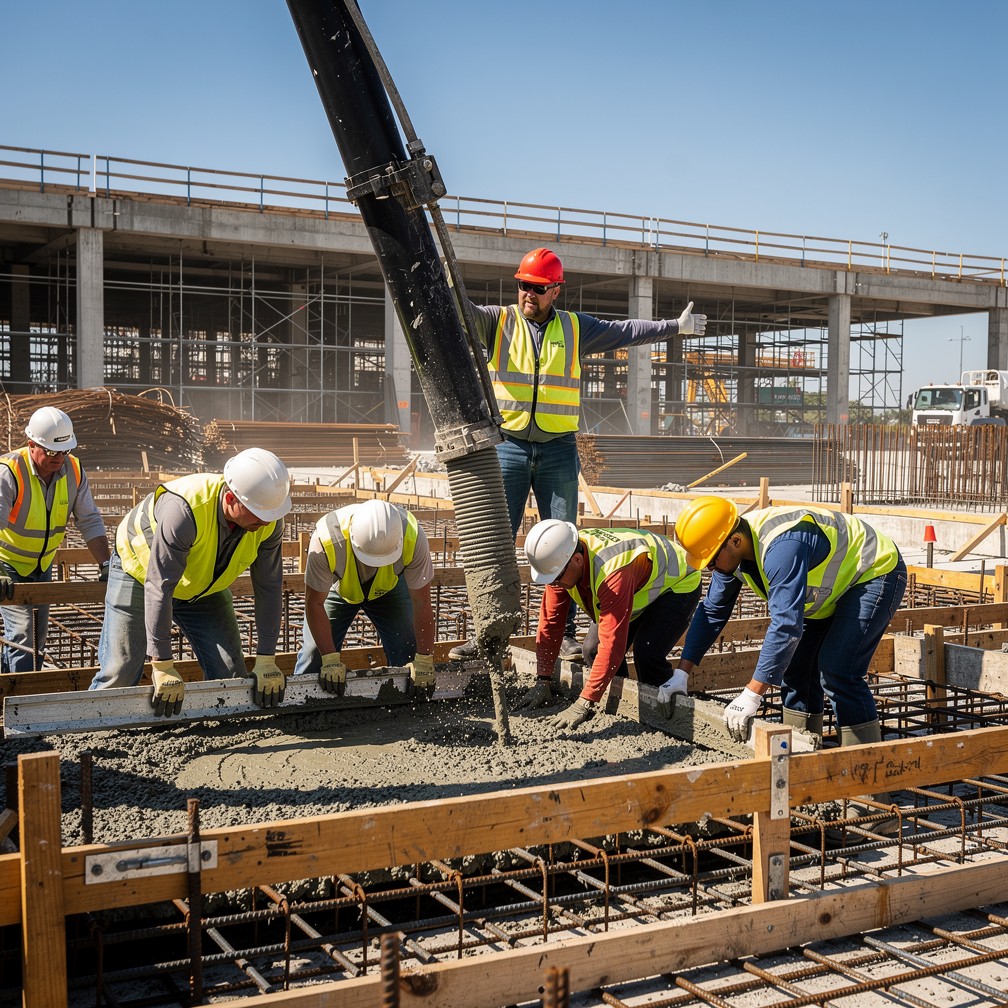
It’s hard to lead a crew if you only understand one piece of what it does. An excavator operator who has also helped on pipe laying or concrete pours starts to see how each step affects the next one.
Cross-trained crews are one of the strengths we lean on at Solid Earth. Across water and sanitary lines, stormwater, earthwork, and the structural concrete our self-perform crew has handled since 2009, people who understand more than one trade tend to make better calls when the plan meets real ground.
That big-picture view is exactly what turns a great operator into someone who can run a section of the job.
Explain the “why,” not just the “what”
“Grade it to this line” gets the task done. “Grade it to this line because the storm pipe needs this much fall to drain” gets the task done and builds judgment.
Future supervisors are the ones who start asking why on their own. A culture that welcomes those questions, instead of brushing them off, is quietly building its next round of leaders.
Let technology become a ladder
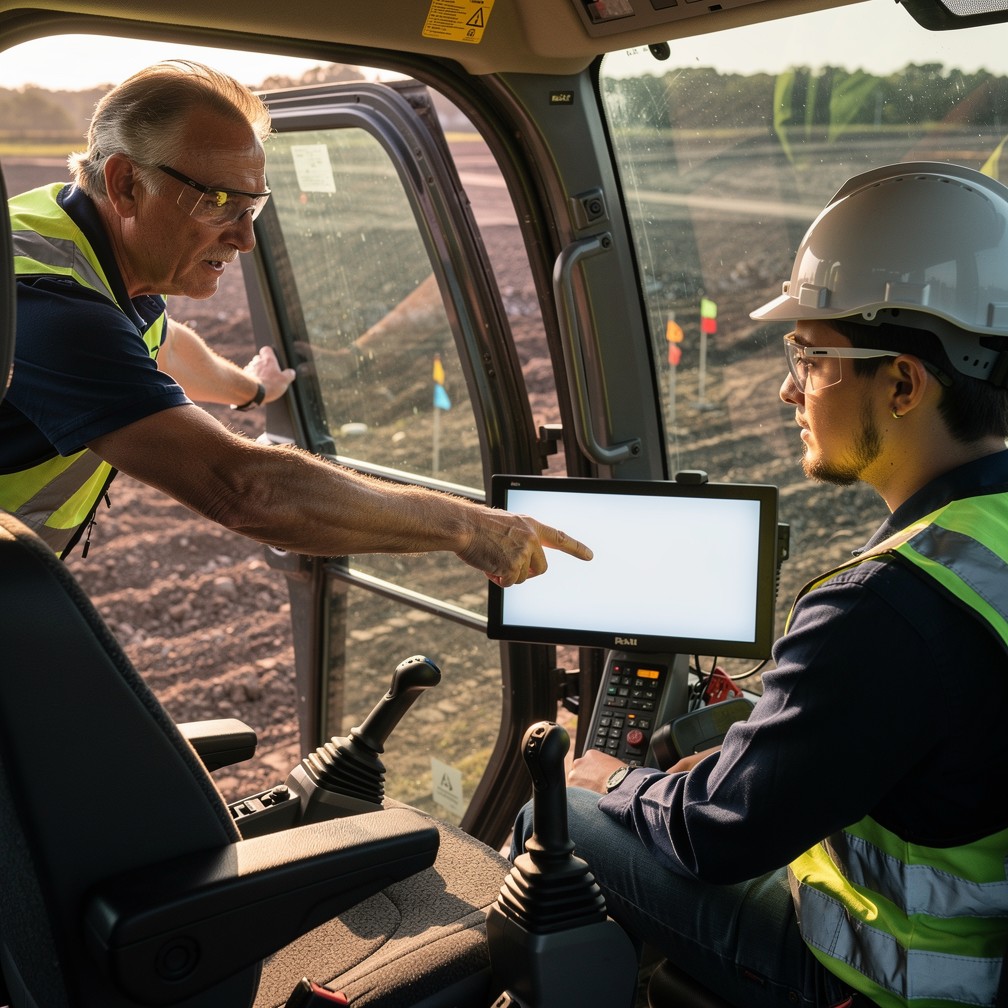
Modern civil work leans heavily on tech. At Solid Earth, 3D machine control and GPS grading have been standard across our fleet since 2015, and that kind of setup opens new ways for people to step up.
Someone who gets comfortable with machine control systems often becomes the person others go to for help. That’s informal leadership, and it’s a natural first rung toward running a crew.
Make mistakes survivable
Nobody learns to lead if every misstep gets them chewed out in front of the crew. People need room to make a call, see how it plays out, and talk it through afterward.
Safety is the hard line, of course. Within that line, though, a crew that treats small mistakes as lessons will raise far more confident leaders than one that punishes people for trying.
Notice the small leadership moments
Leadership shows up in little things long before it shows up on an org chart. Someone stays late to help the new guy finish up. Someone flags a utility conflict before the bucket hits it. Someone keeps spirits up on a miserable February morning in Pueblo.
When those moments get noticed out loud, people learn what the crew values. They also start to see themselves as leaders, which is half the battle.
Camaraderie is the glue
Here’s the part that’s easy to overlook: people follow leaders they trust, and trust comes from time spent together. Crews with real camaraderie tend to hand off leadership more smoothly, because the person stepping up is already someone everyone knows and respects.
Cohesion also makes the jump less lonely for the new leading hand. It’s a lot easier to direct your friends when you know they’ve got your back, and they know you’ve got theirs.
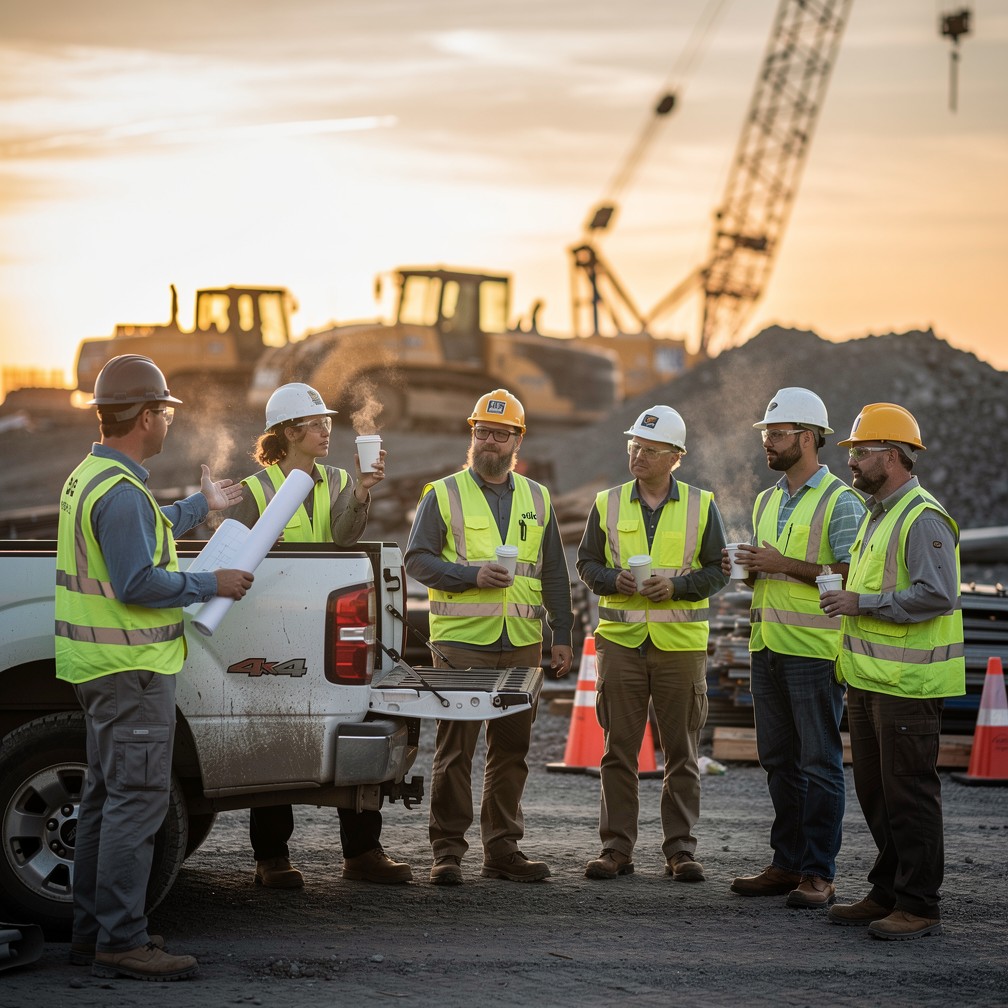
The bigger picture
AGC’s analysis notes that contractors find it hard to invest properly in workforce training and education, and it ties the shortages to federal education, training, and immigration policies. Policy is out of any one crew’s hands.
What a company can control is its own culture. Teaching, cross-training, explaining the why, and backing each other up don’t need a big budget. They just need people who care enough to pass on what they know.
If you’re thinking about joining a crew
Wondering whether you’d ever want to lead? You don’t have to decide on day one. Show up, learn the work, ask good questions, and help the person next to you.
Do that long enough and you may find people already treating you like a leading hand. The title usually catches up later.
Have a project in mind? Start the conversation with Solid Earth.
Images are presented for illustration purposes only.We use real photographs when we need to show what was happening at a real event.
About the Author: Solid Earth

Related Posts


Recent Works